In this publication1 photo
The most common yacht rig is the Bermudan sloop. Its mast and movable boom form an L shape. The Russian word for boom, gik, comes from the Dutch giek, meaning ‘stick’. To keep the mast upright, its top is secured to the bow and stern by wire stays — from the Dutch stagen, ‘to support’.
The jib is hoisted on the forestay. Its Russian name, staksel, comes from the Dutch stagsegel, ‘stay sail’. The mainsail sits inside the L shape; the Russian grot comes from groot, ‘large’. Once hoisted, the sails run fore and aft, catching the wind.
When you turn, the sails move across to the other side. The movable boom carries the mainsail over. The jib has ropes called sheets attached to its corner, one running down each side of the boat. During the turn, you let one sheet go and haul in the other to bring the jib across.
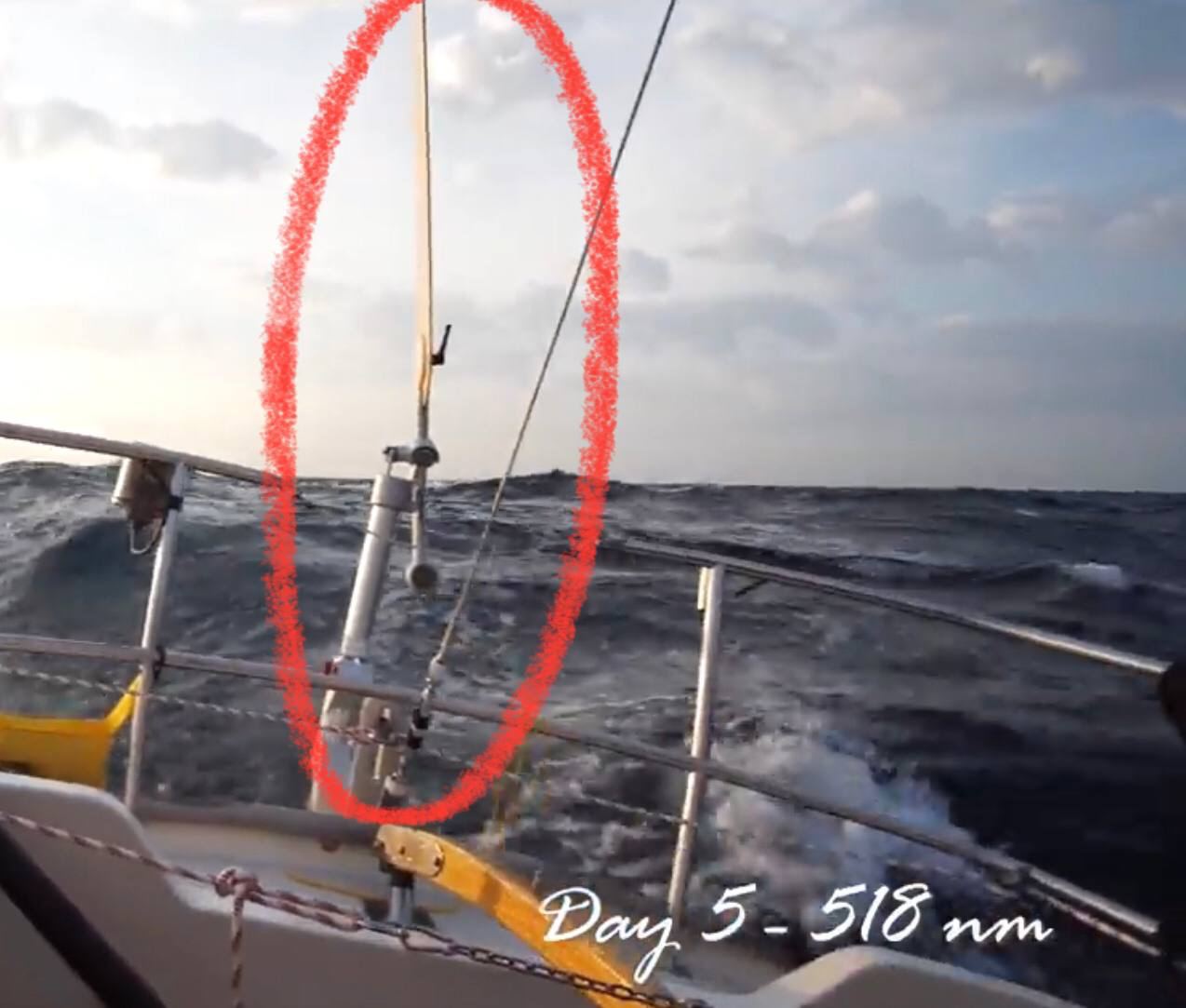
Some yachts, however, have a self-tacking jib track that does this work automatically. You sacrifice some sail length, but gain the ability to bring it across without help from the crew. You can see what it looks like and how it works in this #youtube video: https://youtu.be/_uuxFnIr1bI
#equipment
Original and discussionOpen post in Telegram ↗