In the first part of the epilogue I counted miles, money and breakdowns. That answers the question of what a voyage like this costs quite well.
But it says almost nothing about the experience you bring home.
The plan that barely survived
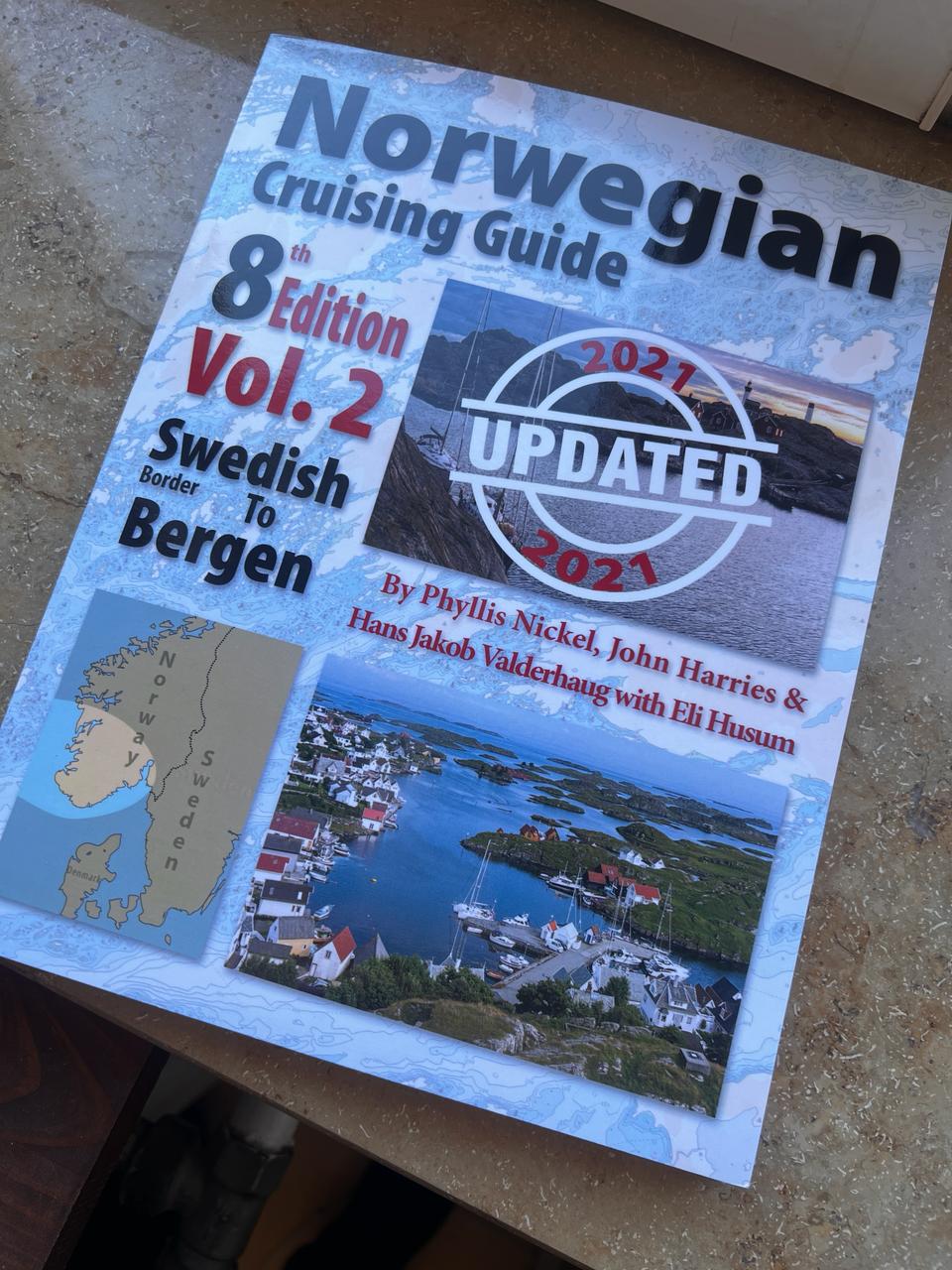
Originally I intended to reach Norway via the North Sea. It soon became clear that this season the forecast would constrain us more than before. Instead of Helgoland we went via Grenå; instead of Stavanger we reached Oslo. And so it continued.
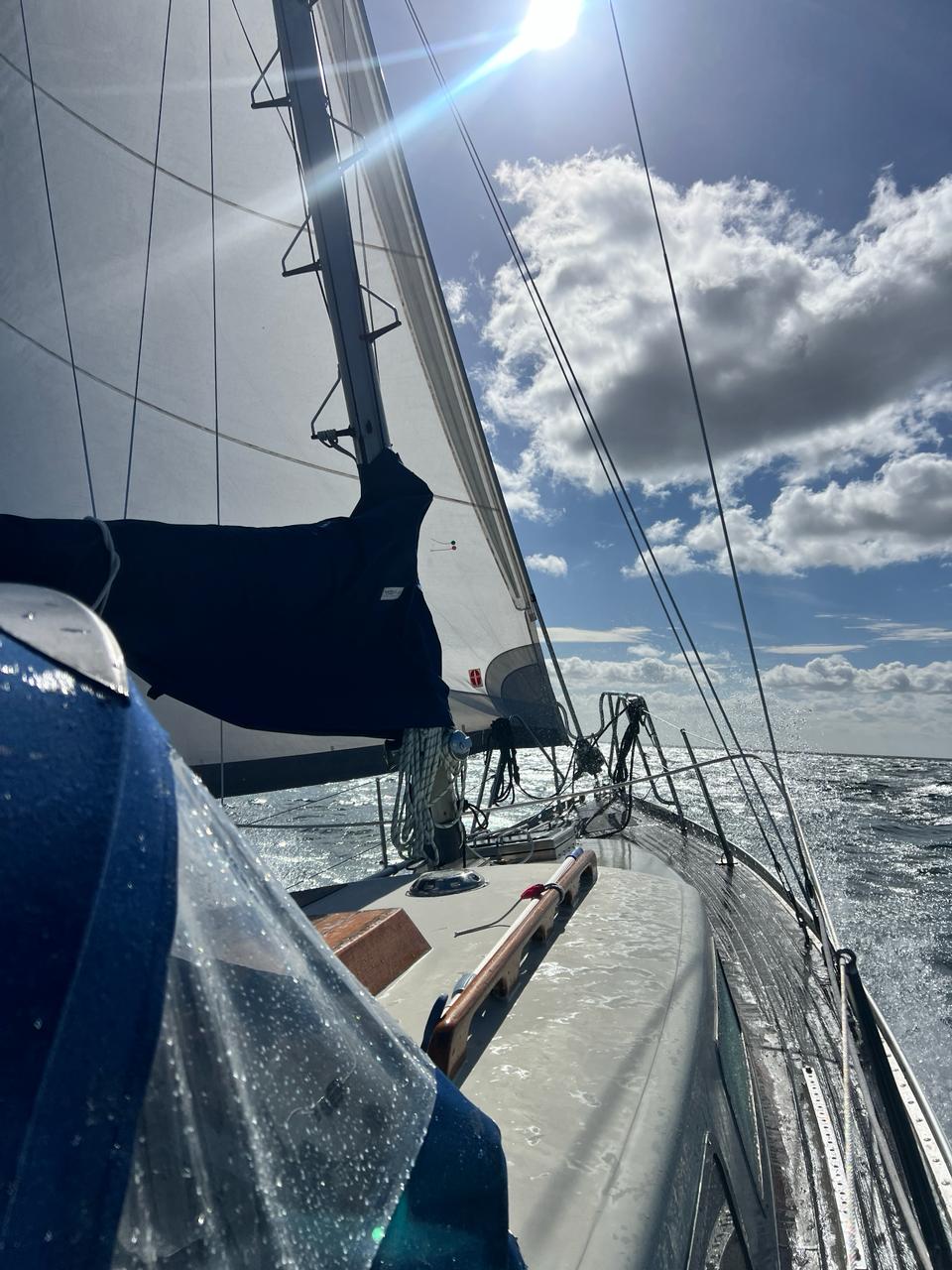
Sometimes we had to wait. Sometimes a direct 20 miles became 54 through the skerries, sheltered from wind and waves. Sometimes the forecast promised an unpleasant headwind that never appeared. In Hamburgsund it was the reverse: I left after the storm, expecting the promised two-metre seas, and soon remembered the neighbour who'd advised me to stay.
The main lesson about the route was that the original plan stopped being an obligation. What mattered more was keeping enough time, fuel and energy in reserve to change it. My inner perfectionist backed off considerably and learnt to sail with the wind we had.
Two aboard
When Nastya and I agreed to sail together, I thought mainly about the practical side. Four-hour night watches instead of twenty-minute naps when alone sounded convincing.
For some reason I hadn't considered sharing a few square metres of personal space with another person for almost two months.
In hindsight that seems no less of a risk than the weather. On a boat you can't retreat to separate rooms, and tiredness soon strips unnecessary diplomacy from a conversation. It works as long as both people are willing to respect each other's space, give way and avoid turning every disagreement into a matter of principle. Most of the time, at least.
But travelling together also turned out to be quite different.
It's easier to commit to a long passage when you know someone will relieve you in four hours. Less tiredness builds up. In a difficult situation there's someone beside you to check your own perceptions against.
And experiences become more vivid when someone else saw the same thing. Later you can recall a particular wave, an odd berthing manoeuvre or a chance evening without having to explain half the context.
There's less time to get lost in your own head too. Alone on passage, you can stew in your thoughts for hours. With two aboard there's always a world around you: the watch, food, the route, conversation, someone else's mood. That proved useful.
Perhaps that's why we spoke almost daily with Grigory, who spent about three months sailing alone. Sometimes the call was brief, but for the first time I understood how much even that contact with the outside can mean when your world shrinks to a boat, a forecast and the next port for weeks on end.
Dorinda
The biggest change is hard to put into figures.
I left Kiel on an Ohlson 29 that I'd spent four seasons gradually adapting to my needs. Continuing seemed logical: a little more equipment, greater self-sufficiency, windvane steering one day.
Then the weather-beaten Dorinda berthed beside us in Göteborg. Edvard had lived aboard for three years and crossed the Atlantic there and back twice. She looked noticeably worse than Rassvet, but every detail served life at sea.
That raised a question: was I finishing my boat, or trying to adapt her to a job she'd never been designed for?
A few days later in Copenhagen, I opened Scanboat ‘just to look’ and bought the Great Dane 28 Aurora.
Perhaps that's the voyage's most important result. It began as an attempt to discover how far I could go on Rassvet. It ended with an understanding of which boat I wanted to take further.
Part 1 · Part 2 · Part 3 · Part 4 · Part 5 · Part 6 · Part 7 · Part 8 · Part 9 · Part 10 · Part 11 · Part 12 · Part 13 · Part 14 · Part 15 · Part 16 · Part 17 · Part 18 · Epilogue
#passage
Original and discussionOpen post in Telegram ↗