In this publication10 photos
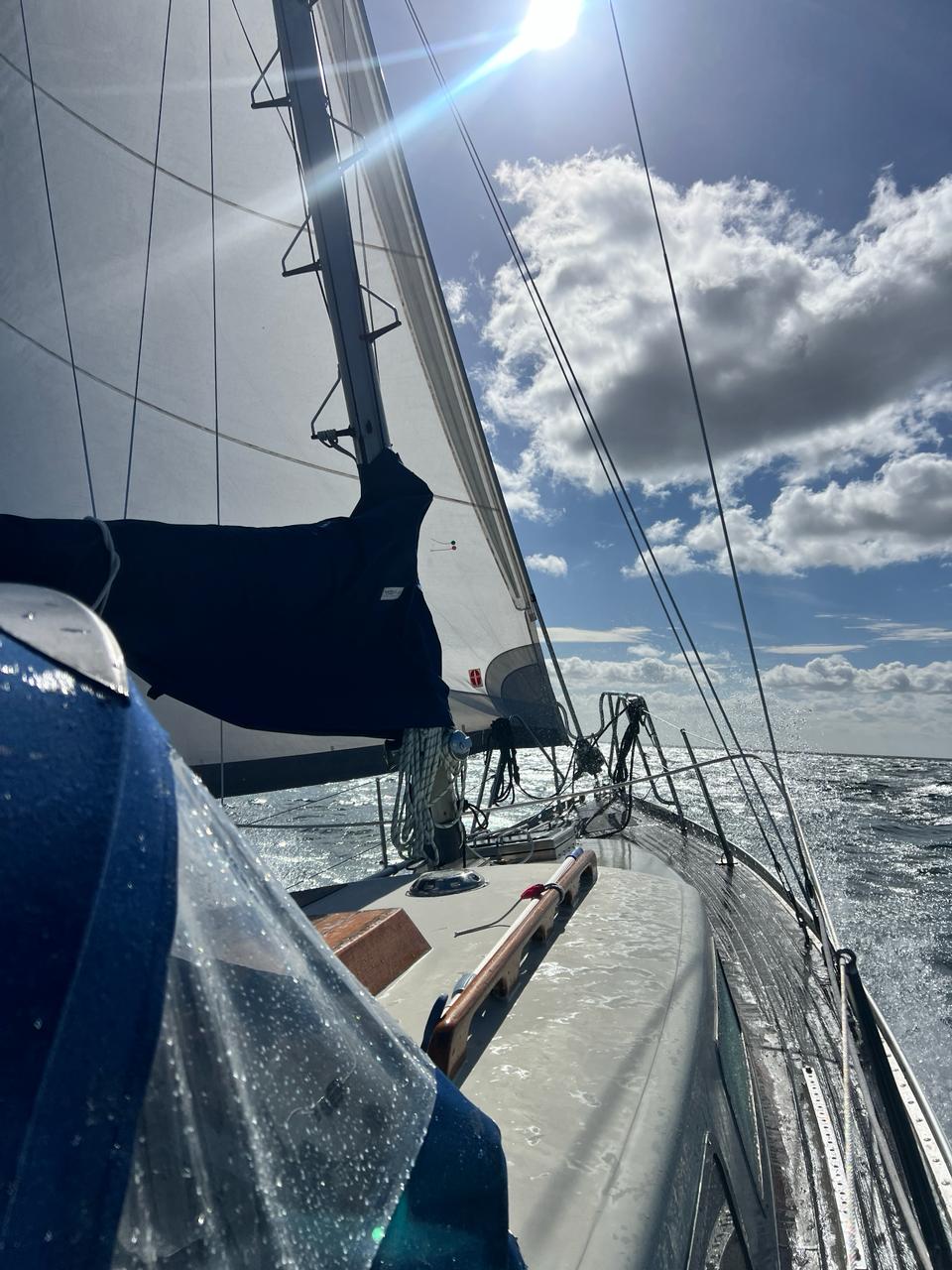
On 13 July we covered the last 22 miles to Copenhagen. Five hours under engine: there were only 5–7 knots of following wind, while the adverse current reached about a knot.
We berthed in the eastern marina opposite CopenHill, the famous waste-to-energy plant with a ski slope on its roof. A week cost 890 Danish kroner, about €100. At that price it was hard to leave the capital in a hurry. Besides, Nastya was already complaining of accumulated tiredness.
In the end we lived in Copenhagen for about ten days.
Not travelling
I'd spent a week here a couple of years earlier and visited almost every museum on my list: Glyptotek, SMK, DAC, Designmuseum. At first I was even a little disappointed. Where was I supposed to get my cultural nourishment now?
The answer was unexpectedly simple: nowhere.
We cooked on the marina's gas barbecue, took bikes round the city, sat on benches by Nyhavn, and visited the botanical glasshouses and the zoo. In the butterfly house I was simultaneously amazed by how many were flying around and afraid of accidentally brushing one with my shoulder.
On Grigory's recommendation I visited Home of Carlsberg. I expected a beer museum and came away respecting a company that had established a research laboratory, isolated a pure yeast culture and developed the pH scale in pursuit of good lager.
We went up CopenHill too. The panorama of the city is excellent. A faint smell of waste incineration comes with it.
I also managed to meet Nikita from @whaleflysails. We wandered around the Copenhagen Contemporary area swapping sea stories, each sounding a little less sensible in the retelling than it had at the time.
Lille Bakery
Food is expensive in Denmark, so supermarkets and French Dogs from 7-Eleven kept us going most of the time.
But we discovered Lille Bakery near the marina. Every morning a queue formed outside, sometimes forty minutes long. The bakery had launched through Kickstarter with support from two hundred people, and the bread really did justify their collective faith.
There's so much butter in the pastries that some buns start oozing with the slightest squeeze.
After a few days, going there became my morning ritual. On our last day, one of the owners already knew we were moving on, wished us a good passage and gave us a ten per cent discount.
I couldn't stop thinking about Dorinda
All this time, though, I kept thinking about Dorinda. I realised that her whole approach now felt much closer to what I wanted.
I could keep adding equipment to Rassvet too. But windvane steering, heavy ocean-going modifications and extended self-sufficiency weren't a particularly good match for the nature of my Ohlson 29. More and more often I found myself looking at long-keel boats in marinas and thinking about the next hull rather than the next modification.
One evening I couldn't resist opening Scanboat. Just to see what was on the market.
And there she was.
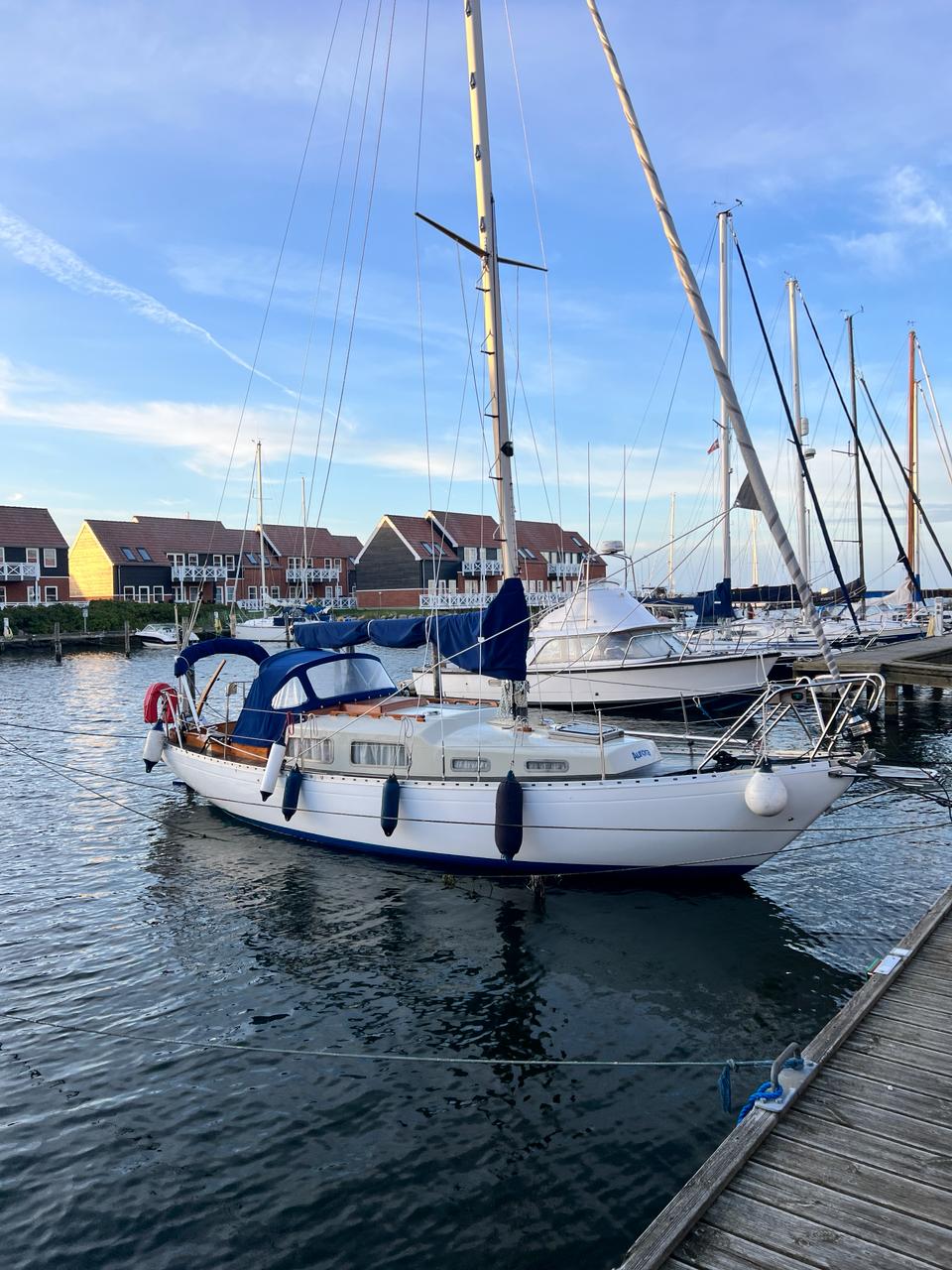
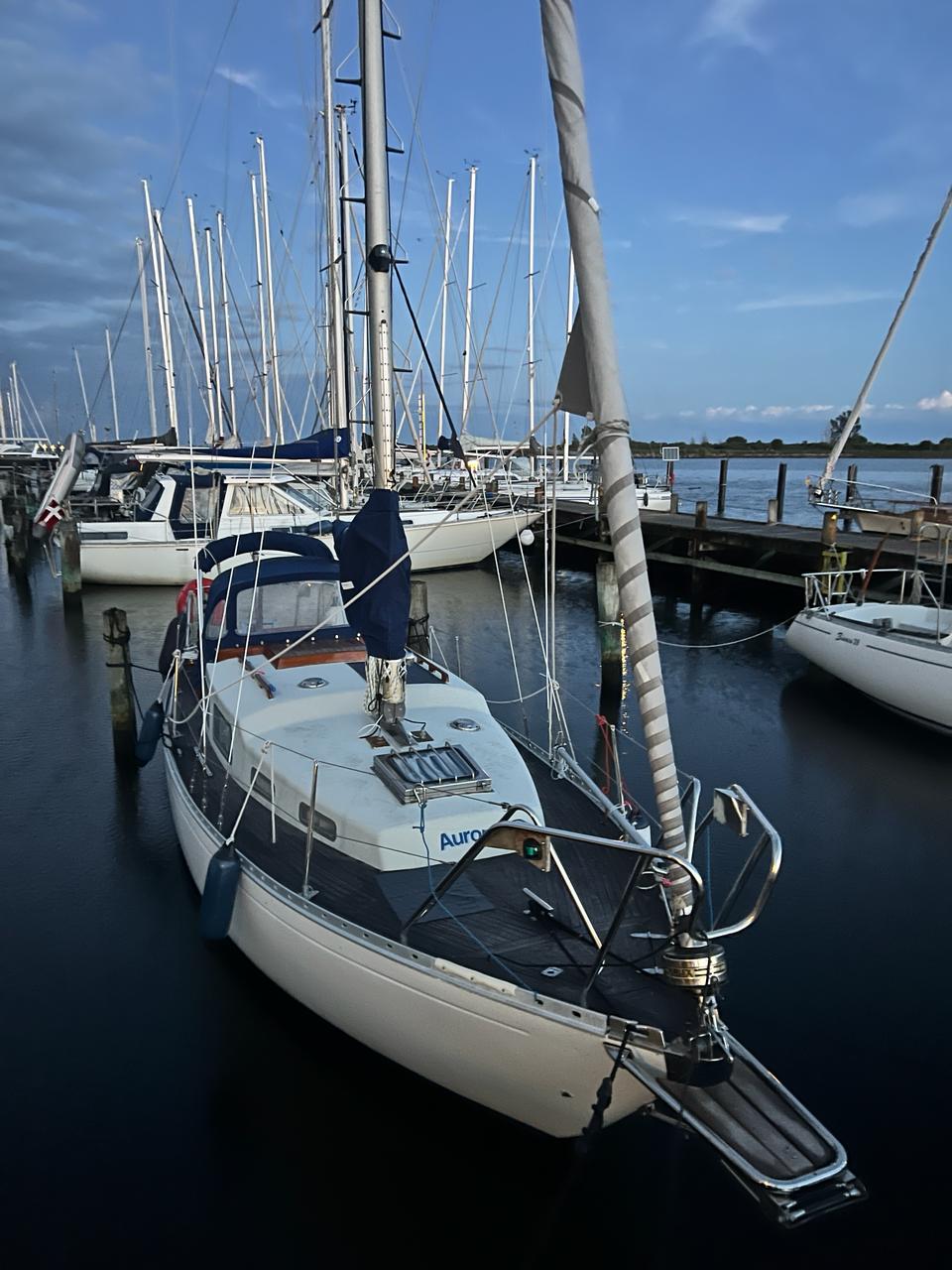
Great Dane 28. Aurora. €9,000.
A long keel, renewed standing rigging, new bronze seacocks, windvane steering, a recent mainsail and a 2003 Yanmar 3GM30. A proper expedition yacht. A miniature ocean-going tank. I read the advert several times and realised it looked far too good to simply close the tab.
I wrote to the seller. My hands were trembling slightly with excitement.
At ten the next morning we met at the marina, looked over the boat, shook hands and signed the purchase agreement.
I don't think I've ever made a more spontaneous purchase.
We agreed that Aurora would stay in her berth until the second half of September. First I needed to get back to Kiel and arrange the sale of Rassvet.
I couldn't work out what I felt after buying her. Not joy, fear or euphoria. More a sense that something too big had happened and my mind wasn't ready to process it.
I'd left Kiel with one yacht.
Now I'd be returning as the owner of two. Which meant I was no longer merely a skipper, but the admiral of a small fleet!
#passage
Original and discussionOpen post in Telegram ↗