In this publication9 photos · 1 video
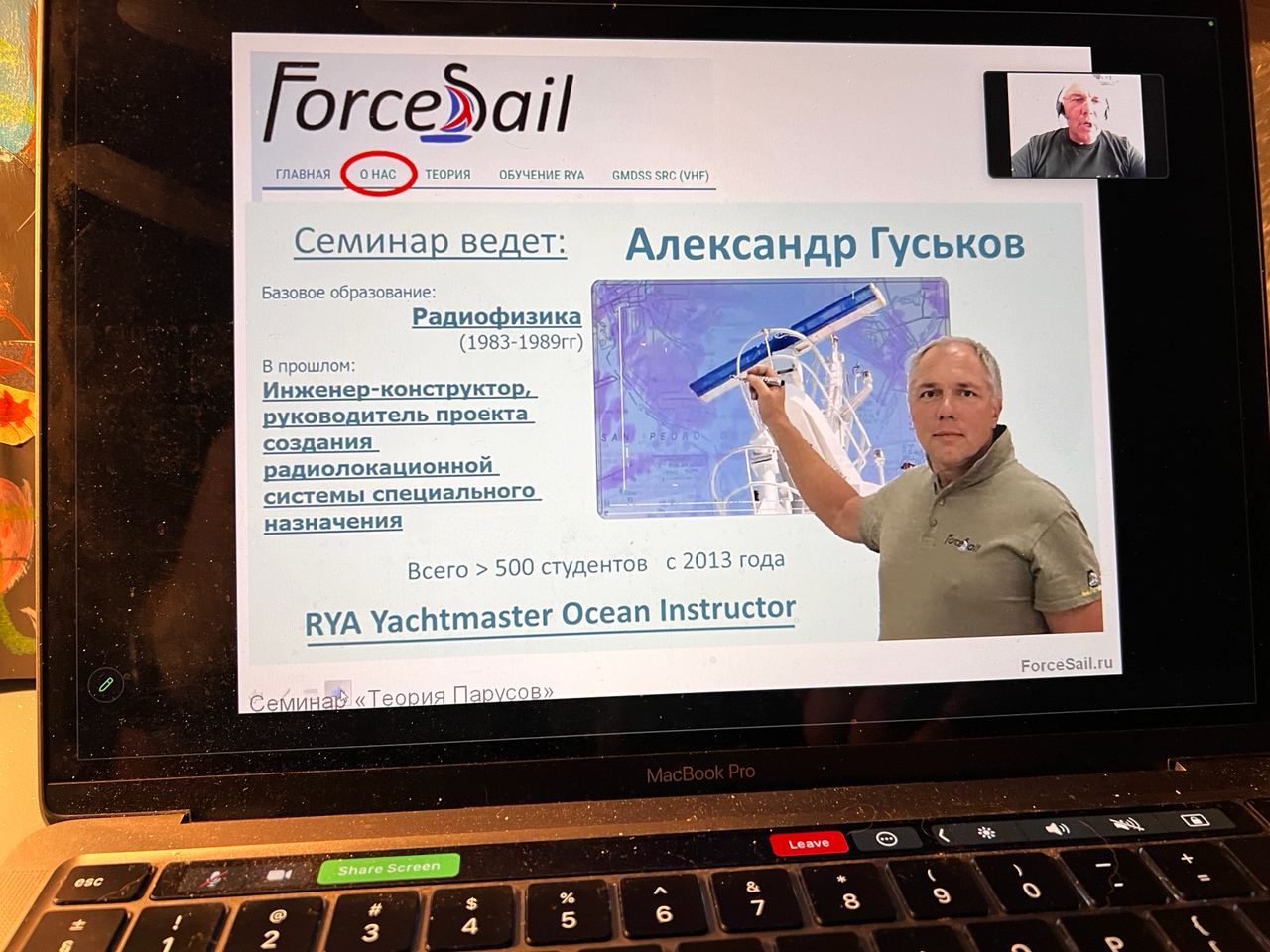
Some lessons make a whole picture suddenly fall into place. Dozens of familiar pontoon approaches, almost automatic, then one gust or unfamiliar stream overturns everything. With that feeling, I attended Alexander Guskov’s late-October seminars for @forcesail.
Format and teaching
A year ago, I’d attended Alexander’s sessions on sails and weather so expected depth. Practical advice with explanations of why the boat behaves that way. Evening concentration is hard, but important details stick then.
Three sessions, up to four hours each. First, forces on the hull. Afterwards, I filmed prop-walk turbulence aboard my yacht to see it from outside. Then basic manoeuvres through those forces, finishing with less obvious marina situations that happen too often.
Intensity
Dense programme. Website tests between sessions drained me fastest. I’d change the schedule: four three-hour sessions, a week apart, more time to digest it.
Sometimes the value lies in feeling the boat better: inertia, bow behaviour in wind, responses to your actions. Afterwards, it’s hard to imagine a manoeuvre that would leave you lost.
Small tricks
• set fenders while stopped: the hull sits deeper underway
• hang them between stanchions
• two heights: deck level or waterline
• the pontoon should meet a fender’s upper part, or push it upwards
• wind turns the bow; plan the approach accordingly
• light wind can be harder than strong, offering less help
• control depends on speed; don’t reduce it too far
• an offshore wind helps the approach but complicates departure
• many unusual situations simplify into coming alongside
The result
Thorough, practical, useful seminars for anyone with basic experience wanting organised knowledge. A quiet confidence, as though someone straightened the wonky bits in your head. Remember: the perfect berthing happens only when nobody’s on the pontoon.
#training #forcesail
Original and discussionOpen post in Telegram ↗