In this publication8 photos
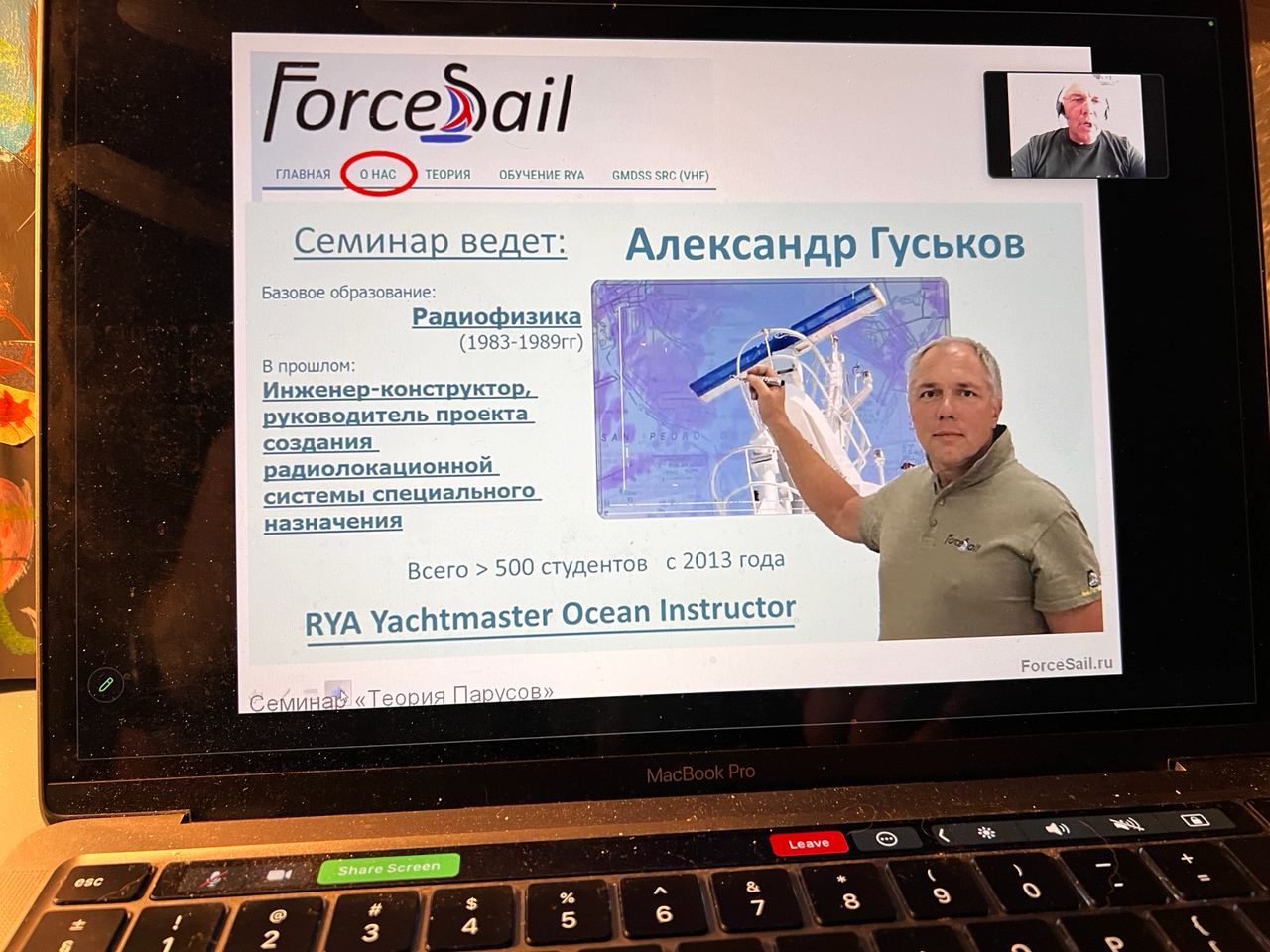
The webinar on sails from ForceSail left mixed impressions, but was useful. So I booked the next one, on weather.
A few things I took away:
• most weather models are based on GFS and refine its forecast
• models divide the globe into cells and forecast average conditions for each. GFS uses squares 27km across
• many countries have local models accounting for regional effects. Prefer those forecasts
• wind bends round land into its lee from the sides, something to consider when anchoring
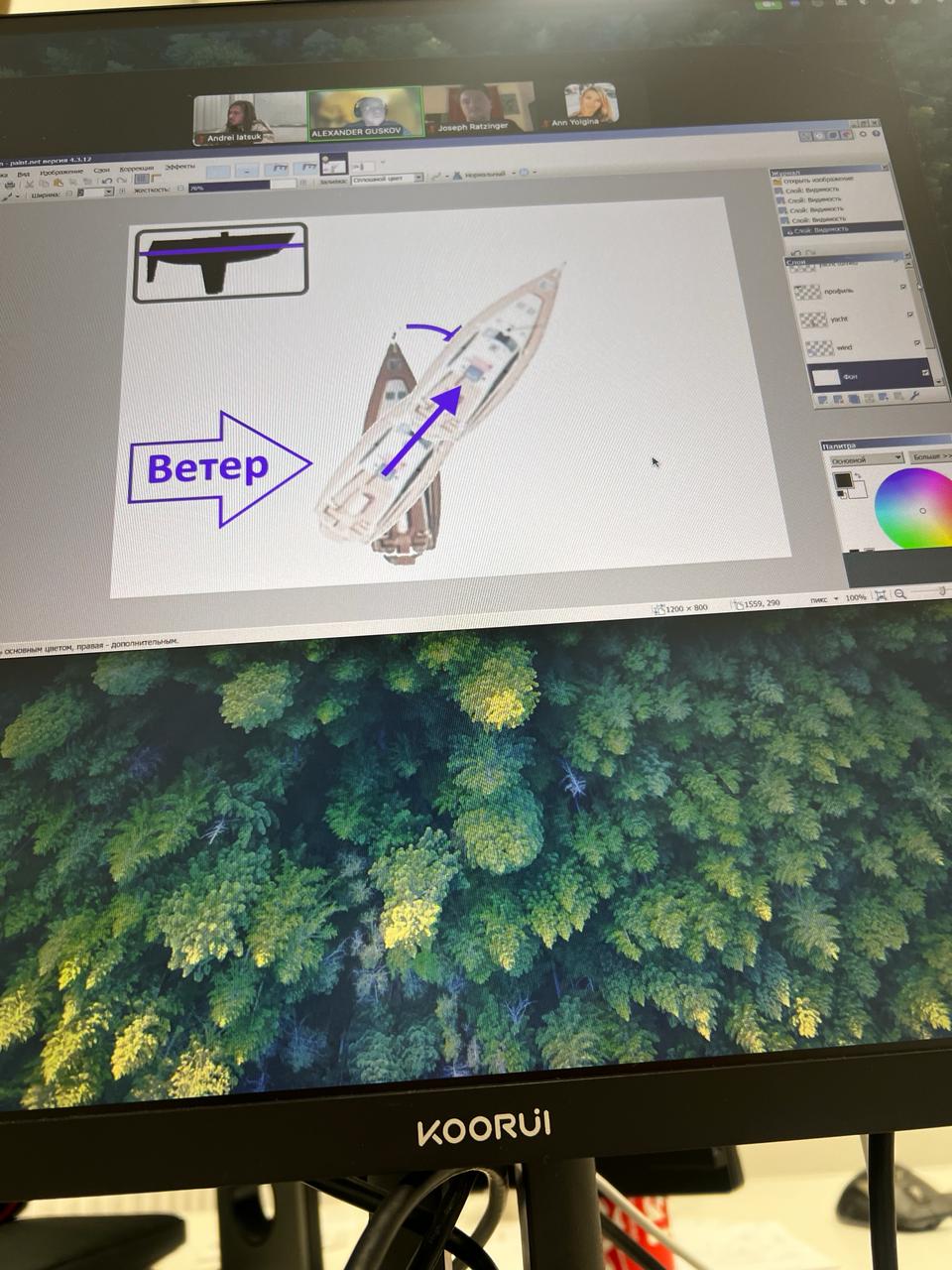
• one of the worst things for a sailor is meeting a front. On a wind map, look for two opposing flows meeting along a line. Apps show it as calm, treating the vectors as cancelling each other out — photo 3. In reality, there’s turbulence and squalls — photo 2
• Windy.app — the blue app — displays fronts, but these forecast lines update only every six hours. Between updates, the actual front will be elsewhere
• a dedicated weather section of the website was prepared for us, covering the topic
That’s it. Nothing more from roughly fifteen hours of webinars. Alexander likes to savour his words; I wanted triple-speed playback. For some reason, he claimed the Coriolis force doesn’t affect wind direction in cyclones and nobody knows the truth. Yet all three of my meteorology books rely on that force. He didn’t mention the jet stream, which we covered at Ardent Training . In the second webinar, we spent four hours pointing at places in a cyclone and listing clouds, pressure, precipitation, wind direction and so on. An eternity.
Unfortunately, that’s my last ForceSail experience for now. An intelligent, experienced instructor, but not open to others’ experience and prone to endless discussion of the same points. I’m not that devoted to theoretical fine detail yet.
#training #forcesail
Original and discussionOpen post in Telegram ↗